Vintage Voyage Through the Flea Markets of Berlin
A few summers ago, I was on the hunt for my childhood board game – Scotland Yard. It’s not very popular anymore, and I’d been looking for it for a while since I didn’t want to pay full price for a new version. One Saturday, while visiting a local flea market, I saw it on a table among other old toys. After several moments of convincing myself I could do it, I approached the seller with my broken German: “Excuse me, how much is it?”
“This? Oh, you can just take it for free!” he answered with a smile.
Since then, I go to every market with intention and a plan of what I’m looking for, and the hope of feeling that same excitement of finding my dream object again. Living in Berlin, with more than 20 regular flea markets, gives me plenty of opportunities for that.
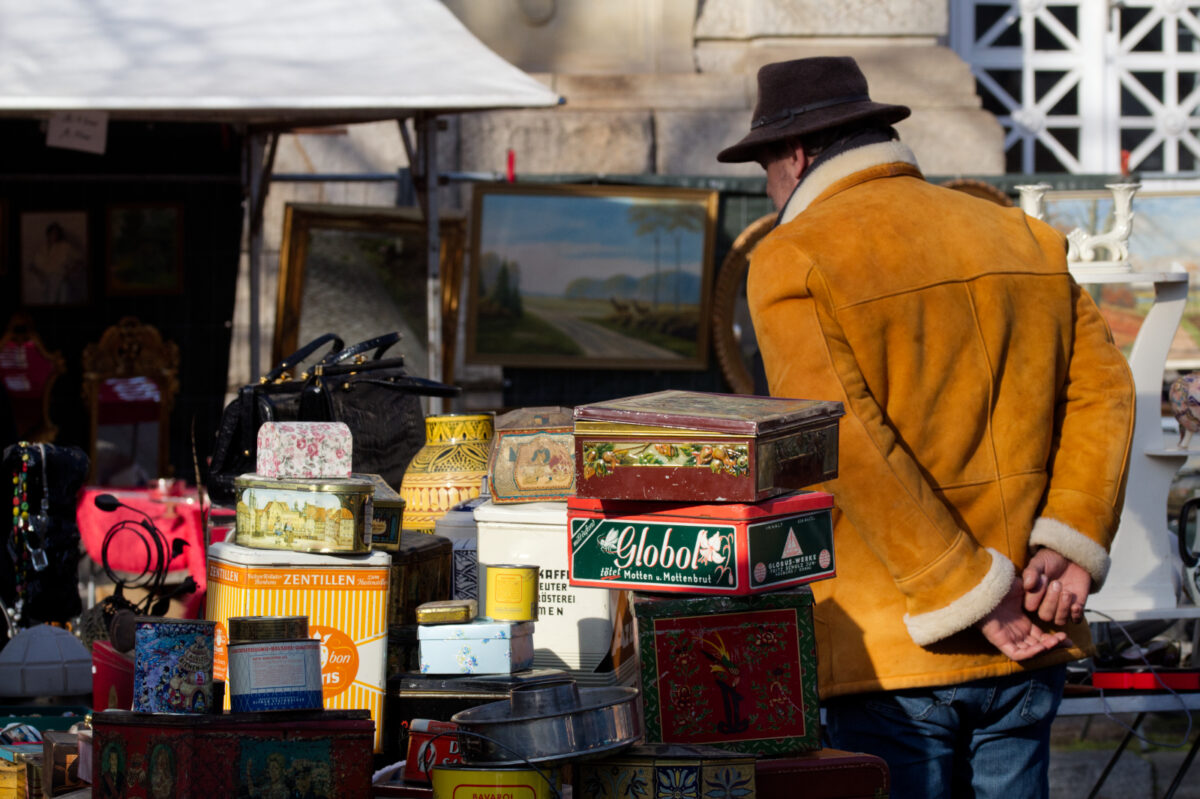
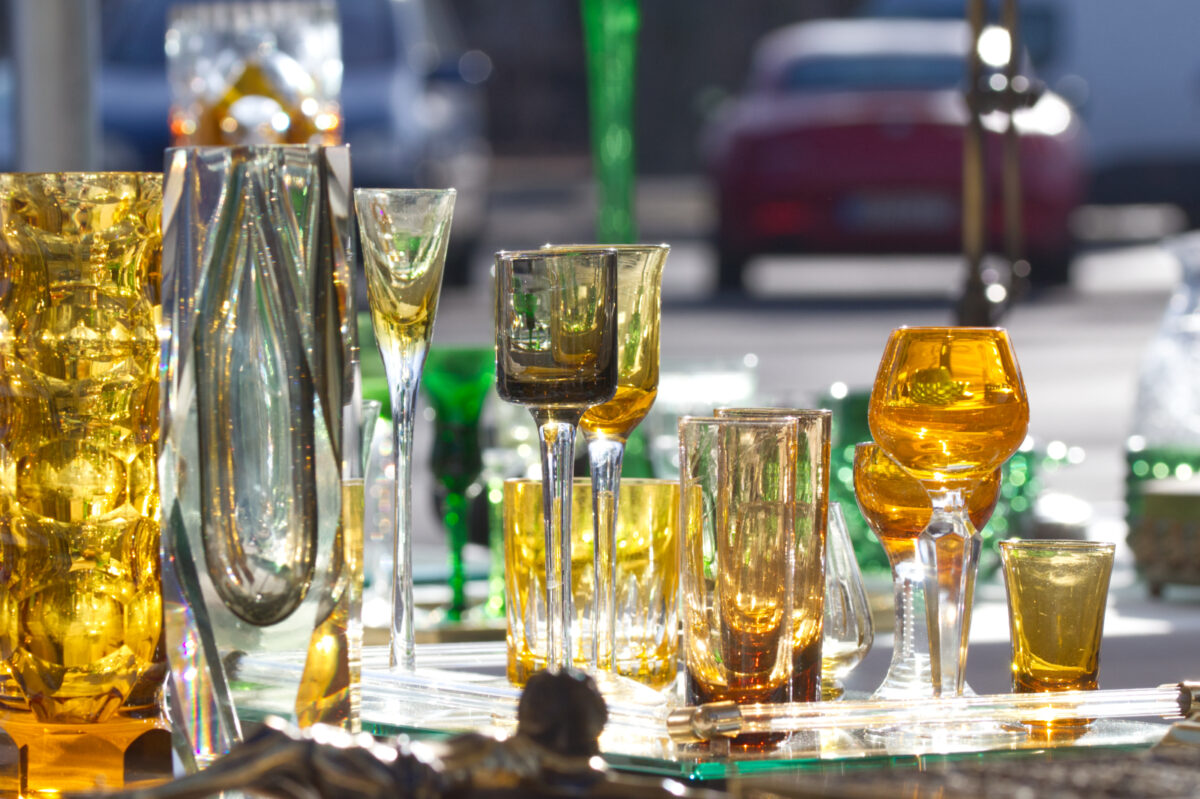
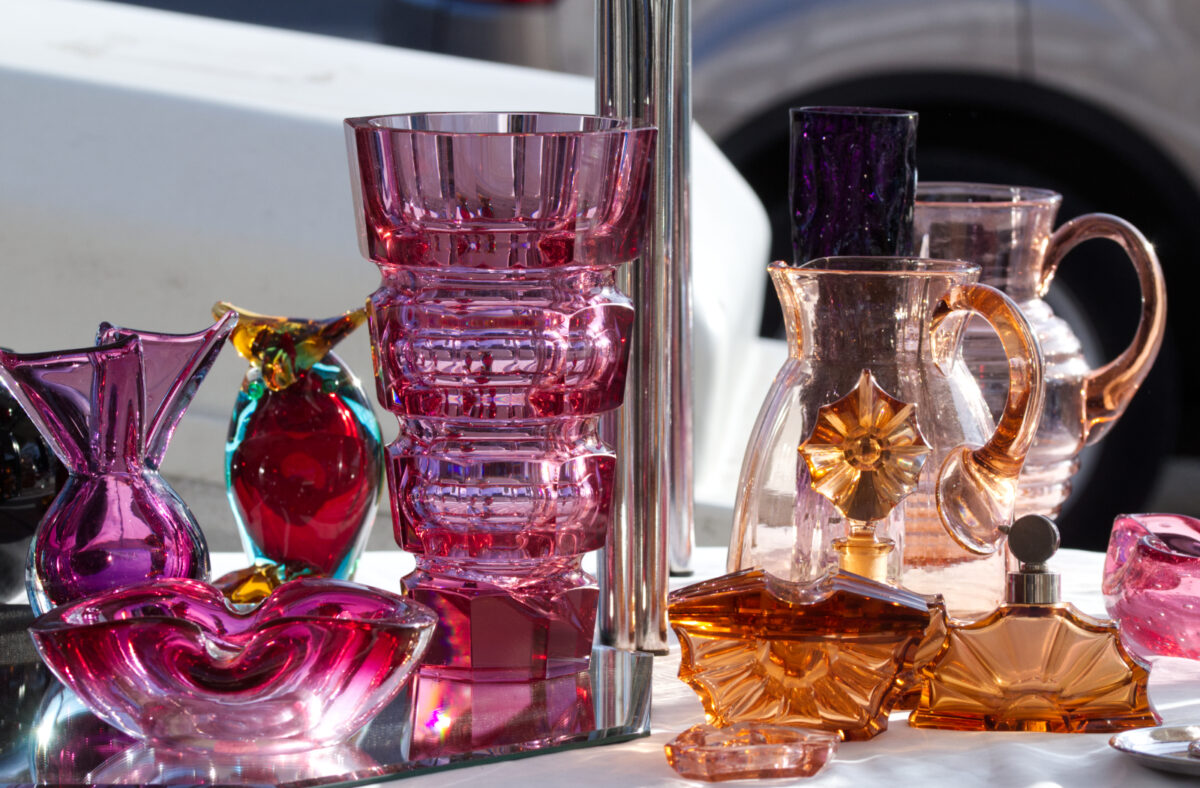
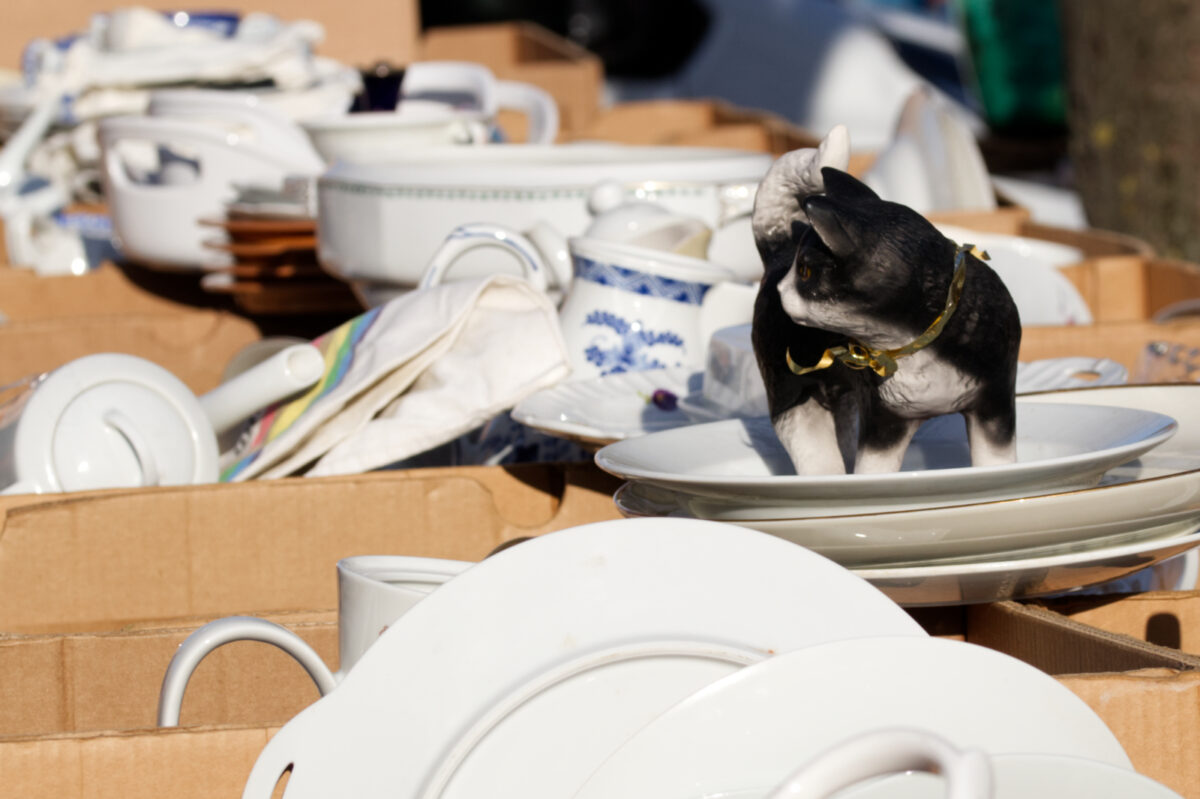
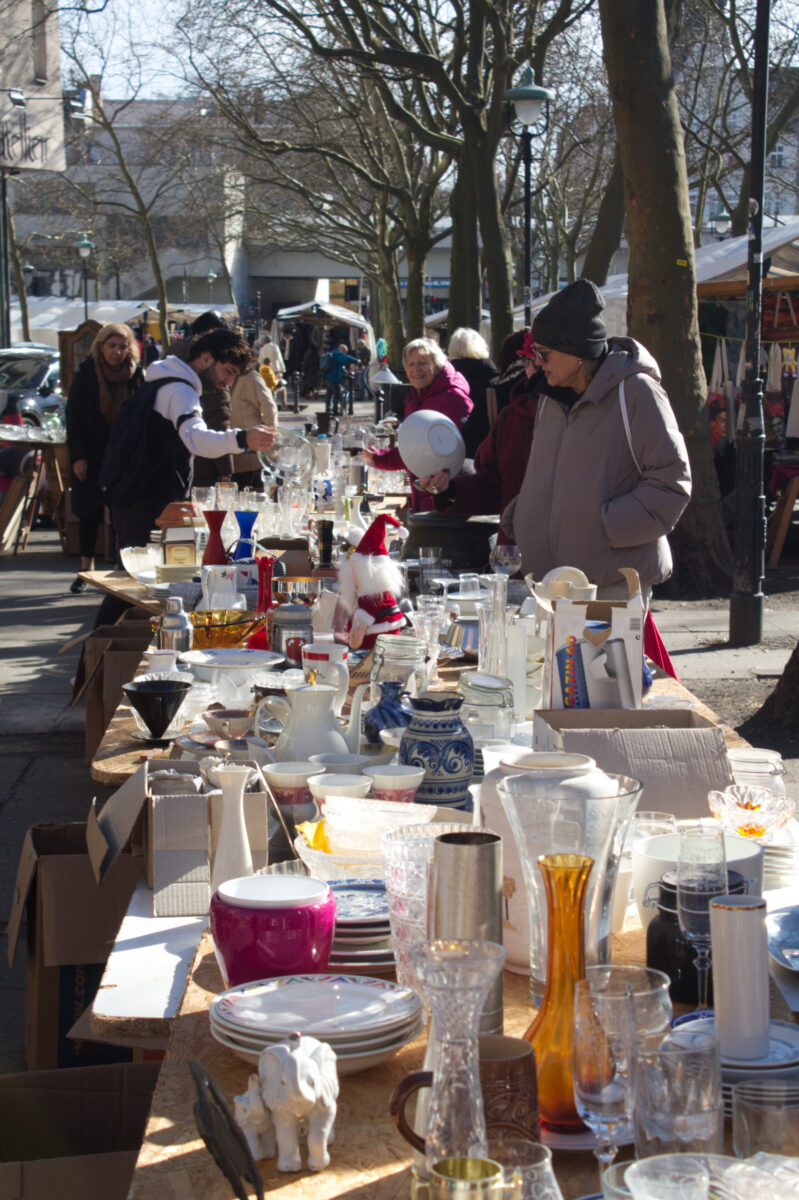
Slow fashion and sustainability are not just trends but part of Berlin’s everyday lifestyle. You can see it everywhere — in the old zu verschenken (“to give away”) tradition that lets people leave still-good objects in boxes on the streets for others to take for free. Events like Vinokilo, weekend vintage pop-ups, and fair-fashion sales attract large crowds, and even Vogue has written about Berlin’s best vintage stores. The vintage scene here is huge, and local flea markets are a big part of it. They’re not just places to buy cheap goods but social and cultural spaces. Thrifting is a popular Sunday ritual for both locals and tourists, especially since most other shops are closed.
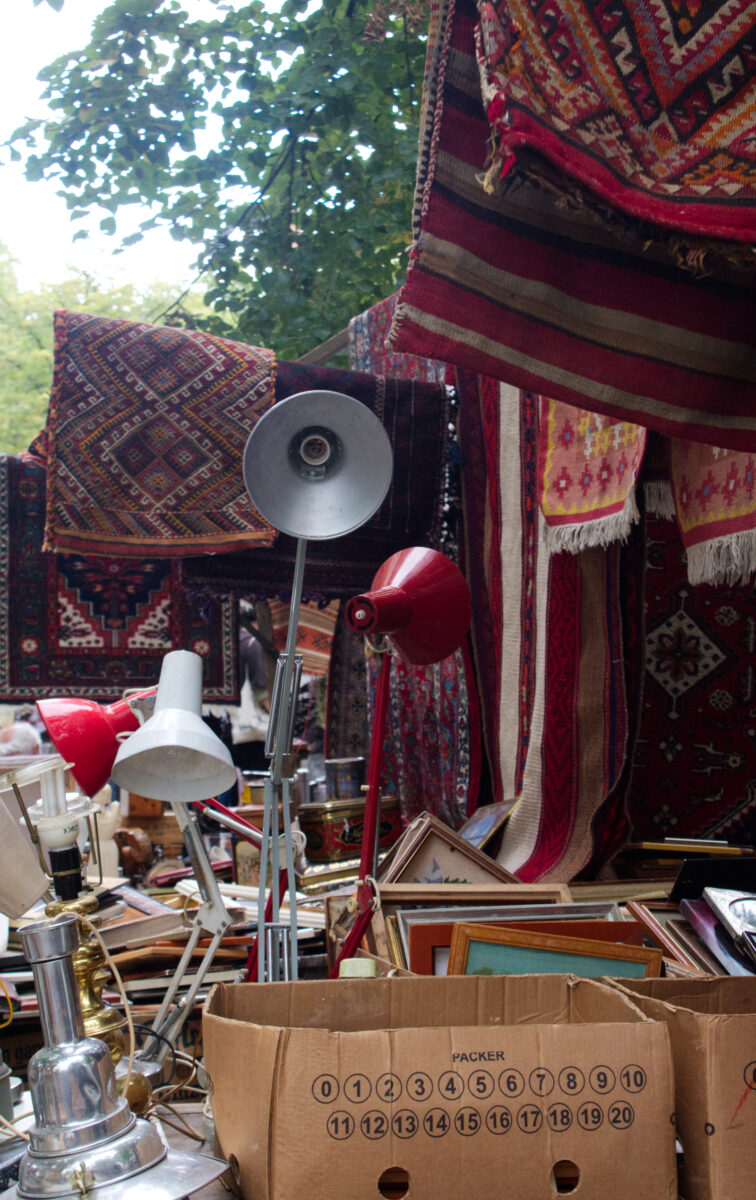
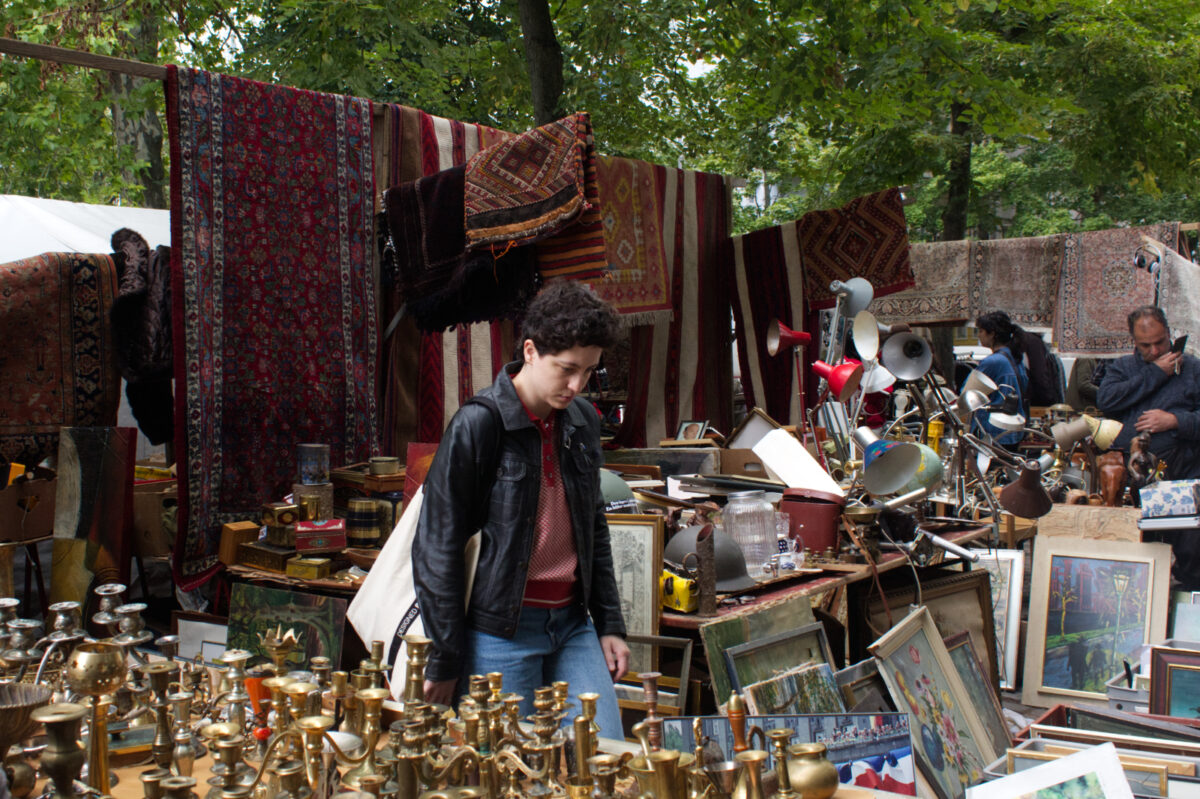
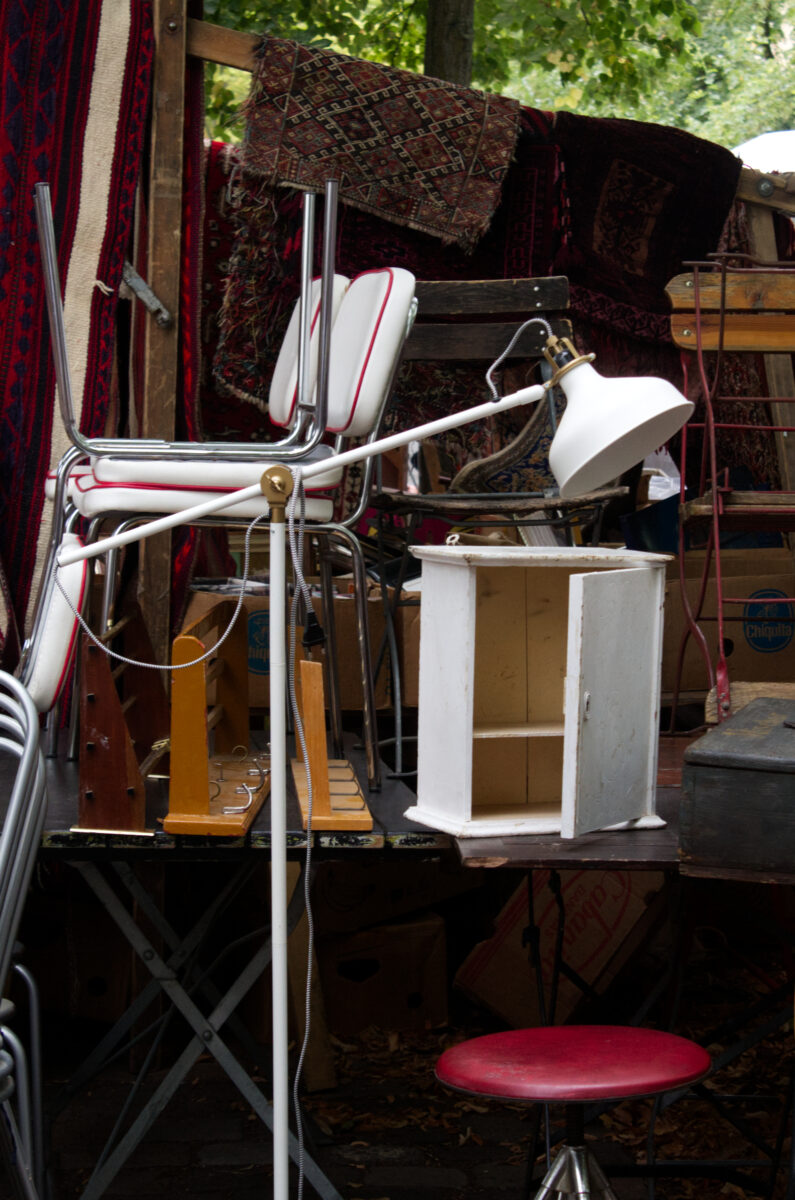
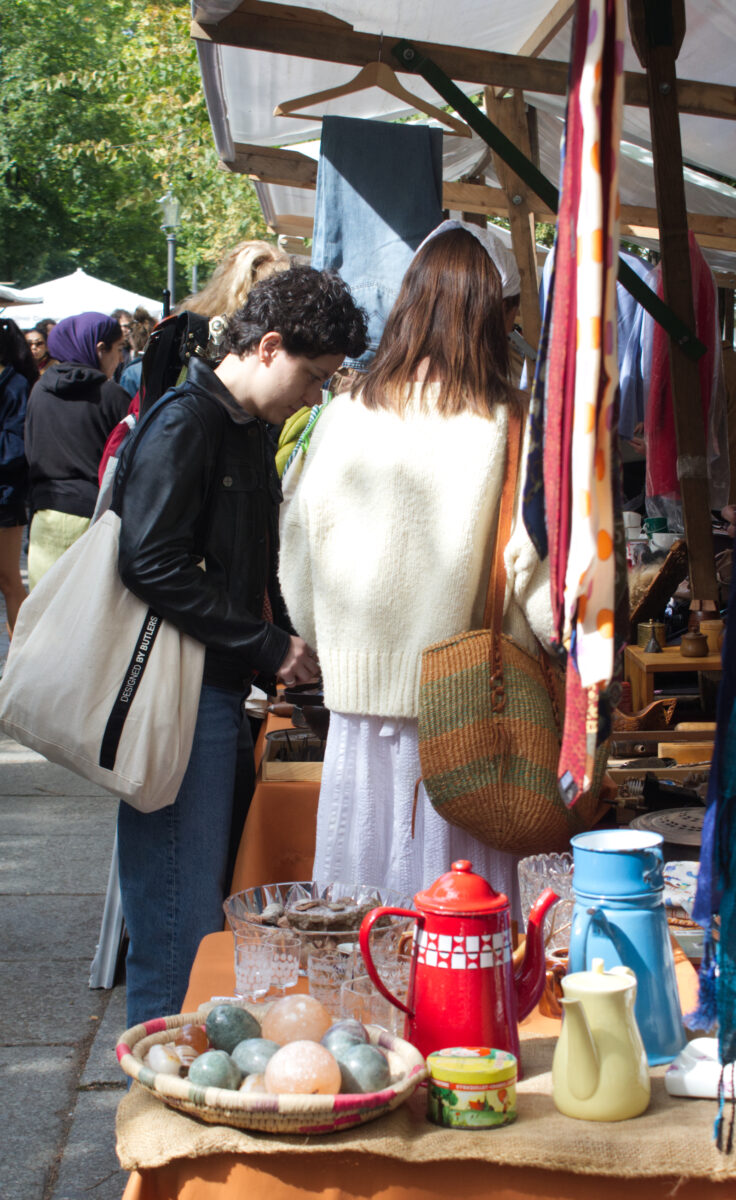
For me, moving to Berlin wasn’t love at first sight. Exploring different neighbourhoods through their flea markets helped me meet Berliners and understand the culture. In my first months, I looked for things to decorate my new apartment. Wooden coffee table and wicker baskets are some of my favourite finds. Nowadays, I search for ceramics for my small collection of Bolesławiec, old stamps to decorate my travel journal, and handmade jewellery. I like the familiarity of the markets, the rhythm of seeing the same trusted vendors each week. And I love the atmosphere: free concerts by aspiring musicians, food trucks, bursts of street art, and endless inspiration for my photography.
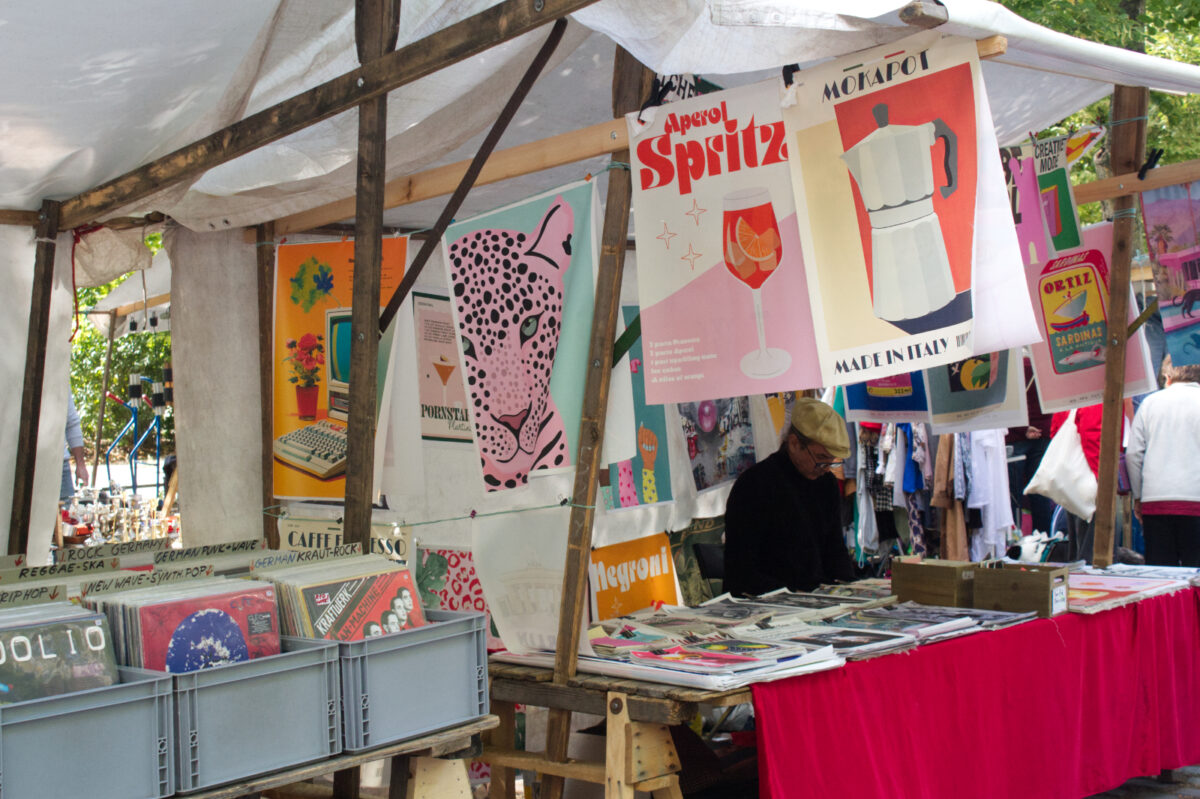
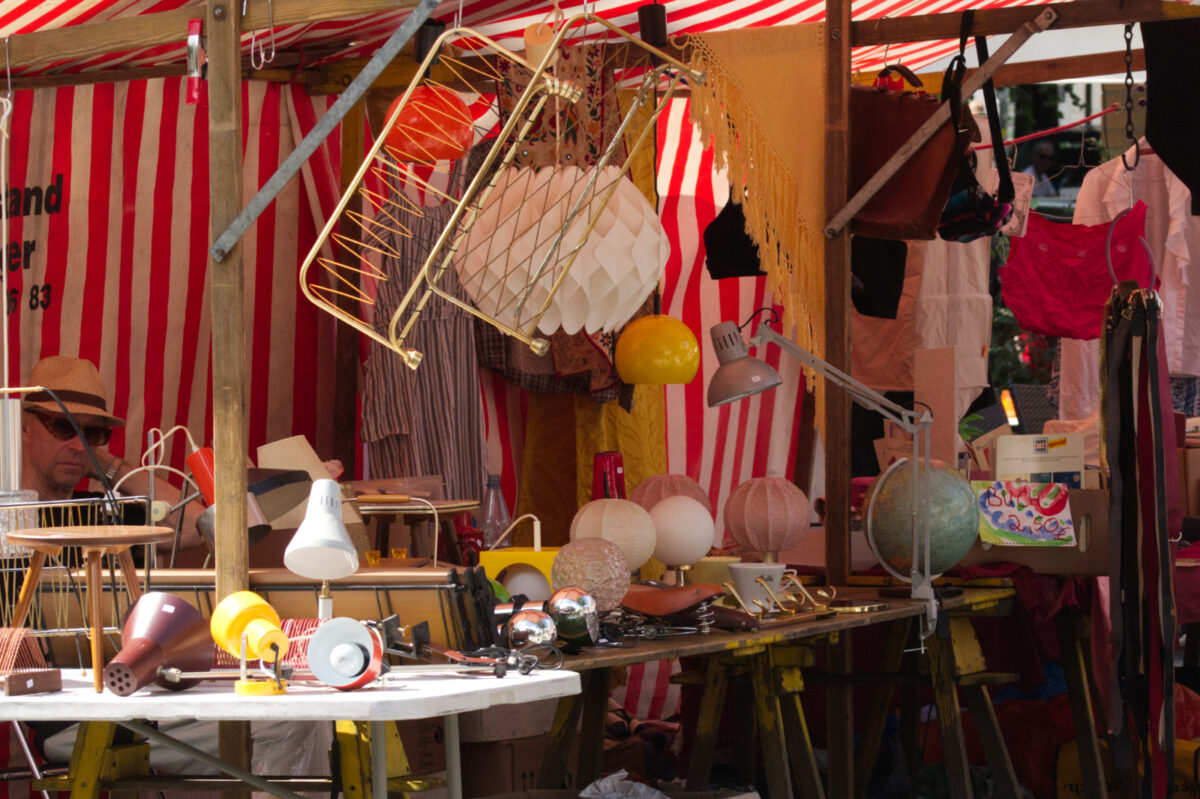
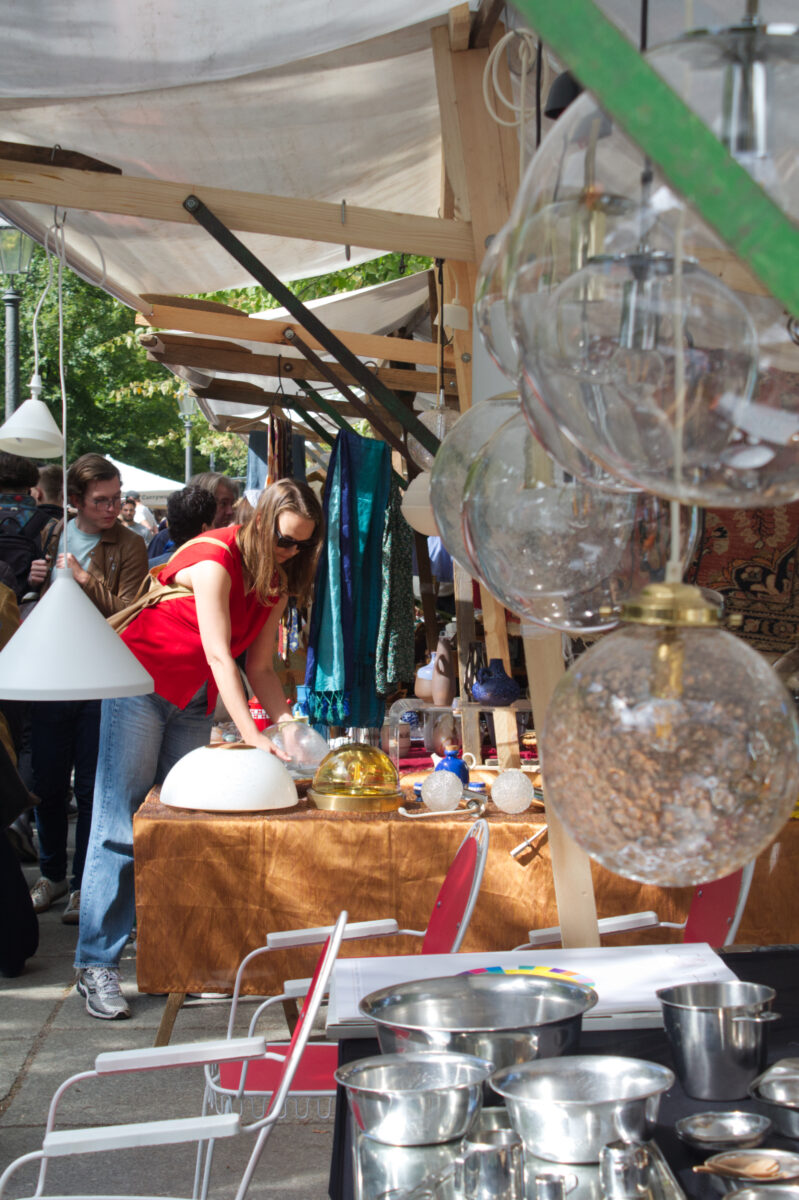
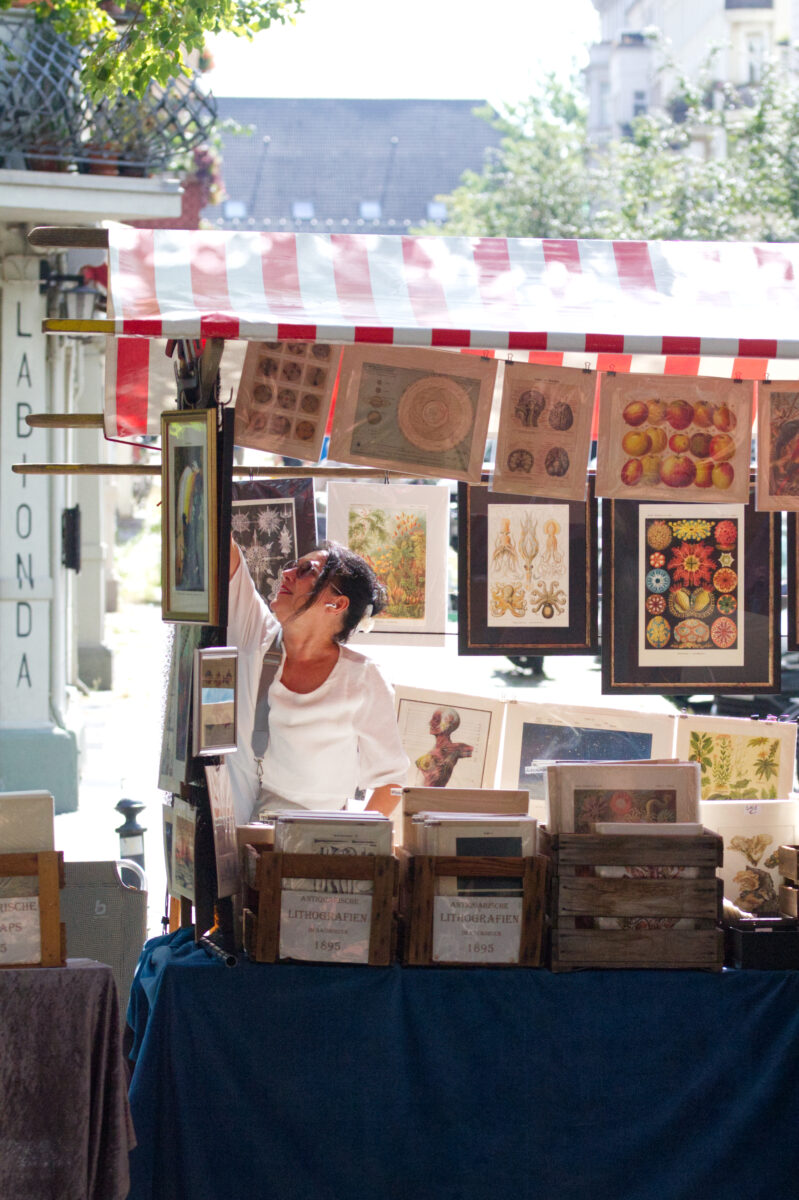
What I thought was my personal passion for treasure hunting, and a local phenomenon in Berlin, turns out to be part of a global movement that, combined with tourism, has given rise to a new trend in the travel world: vintage voyaging. It involves including visits to flea markets or vintage and second-hand shops in your travel itinerary to search for authentic pre-loved objects to bring home. These can be pieces of clothing, furniture, or small home décor pieces that carry a sense of place.
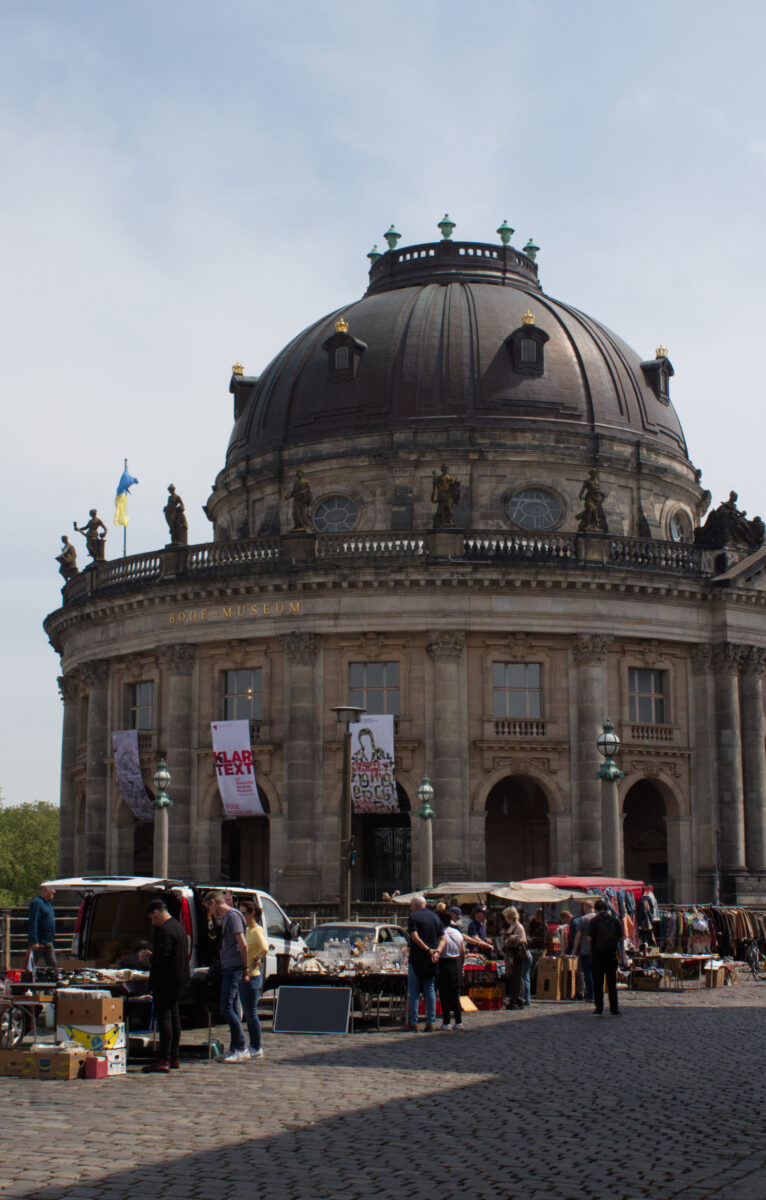
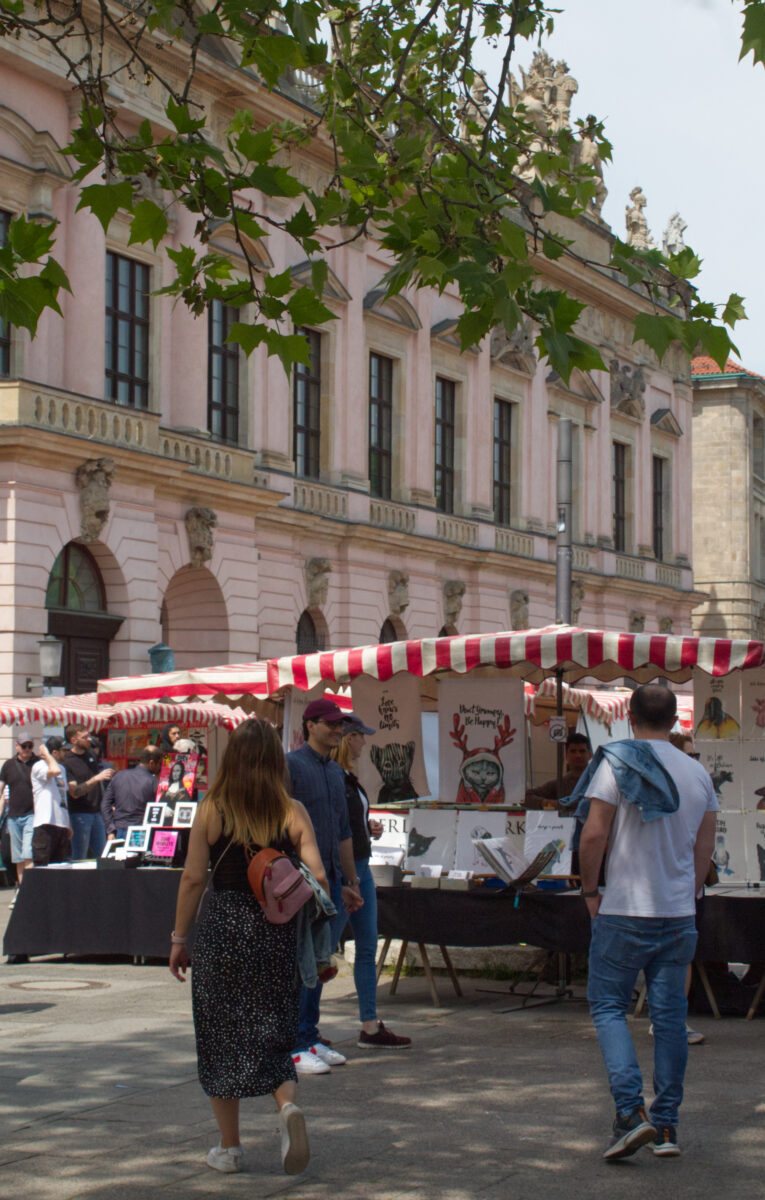
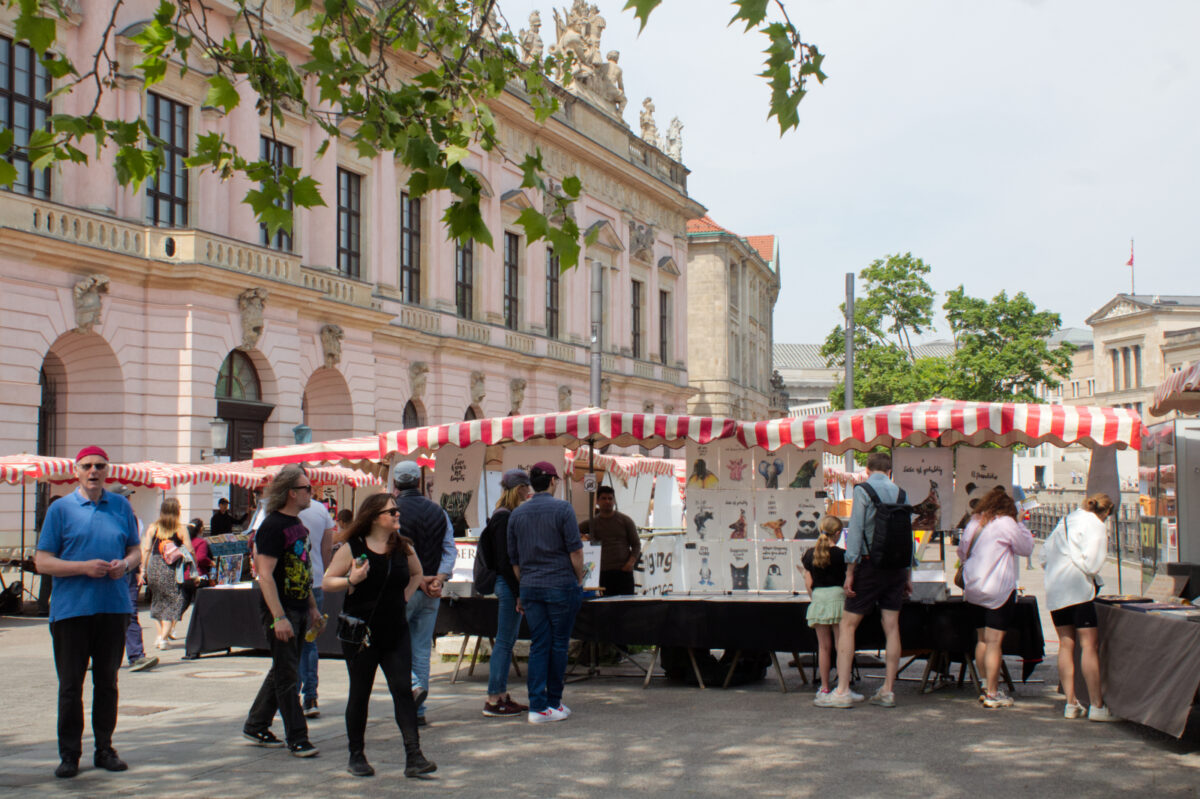
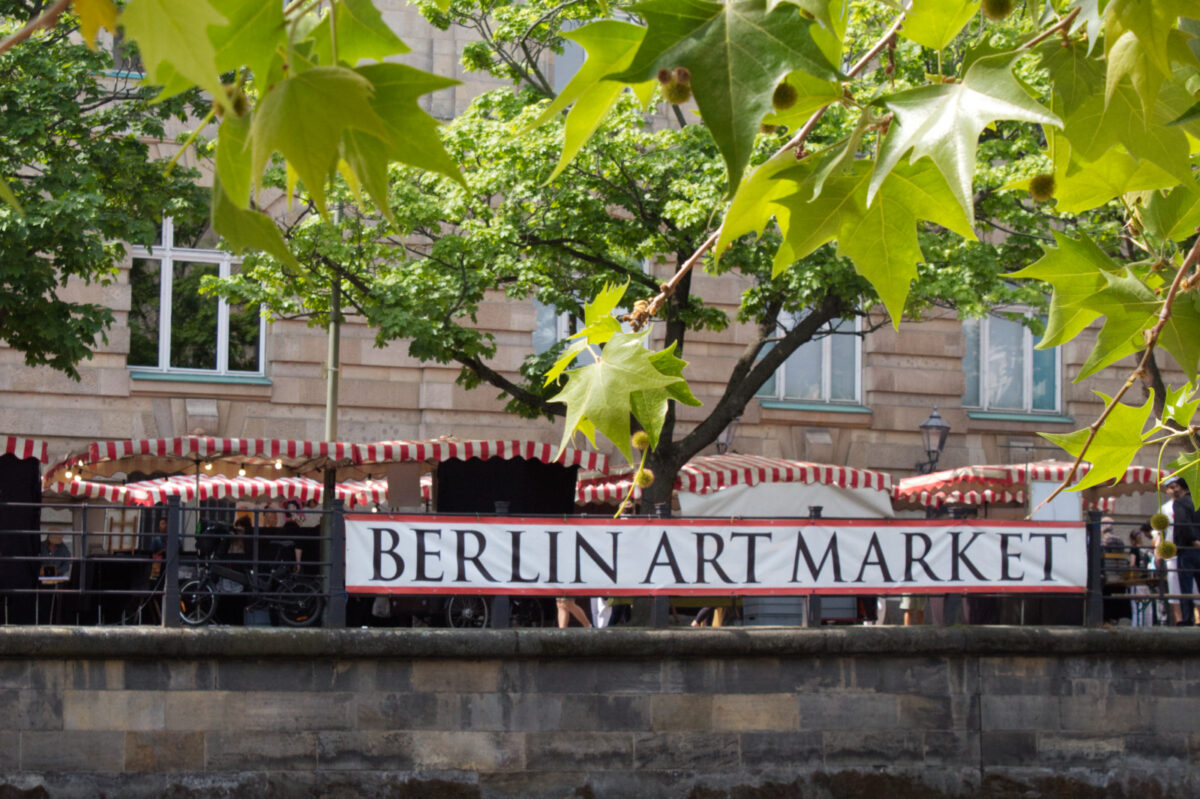
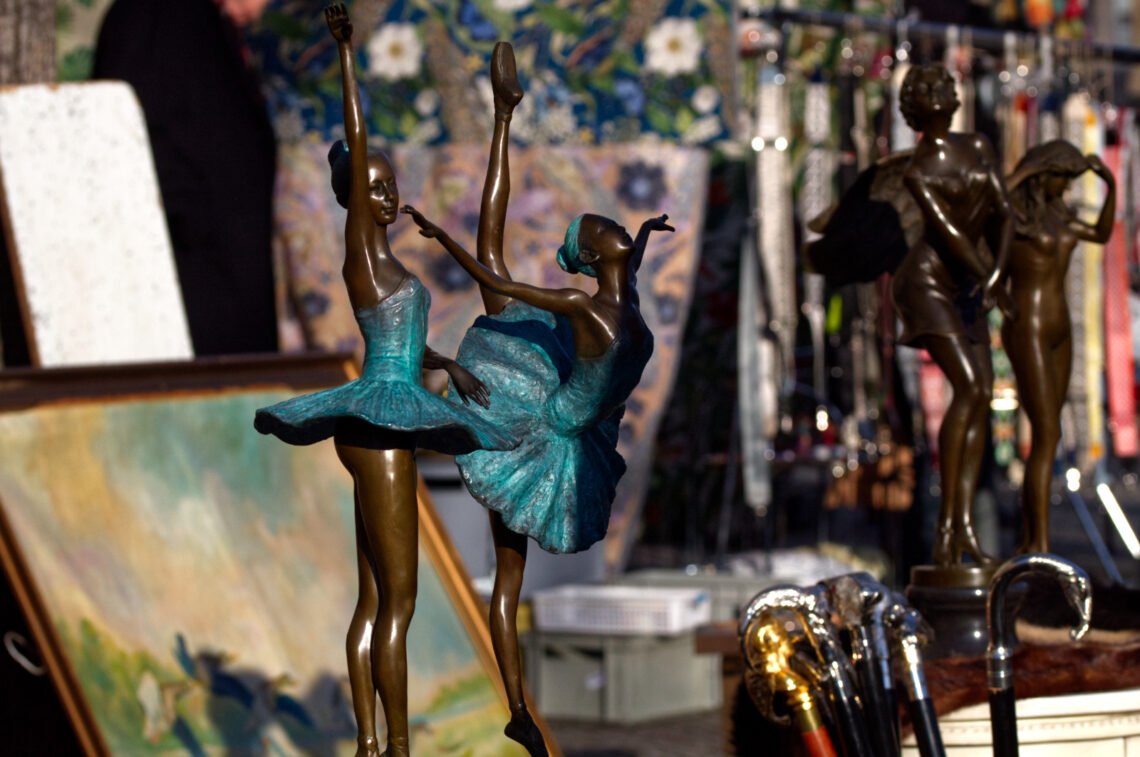
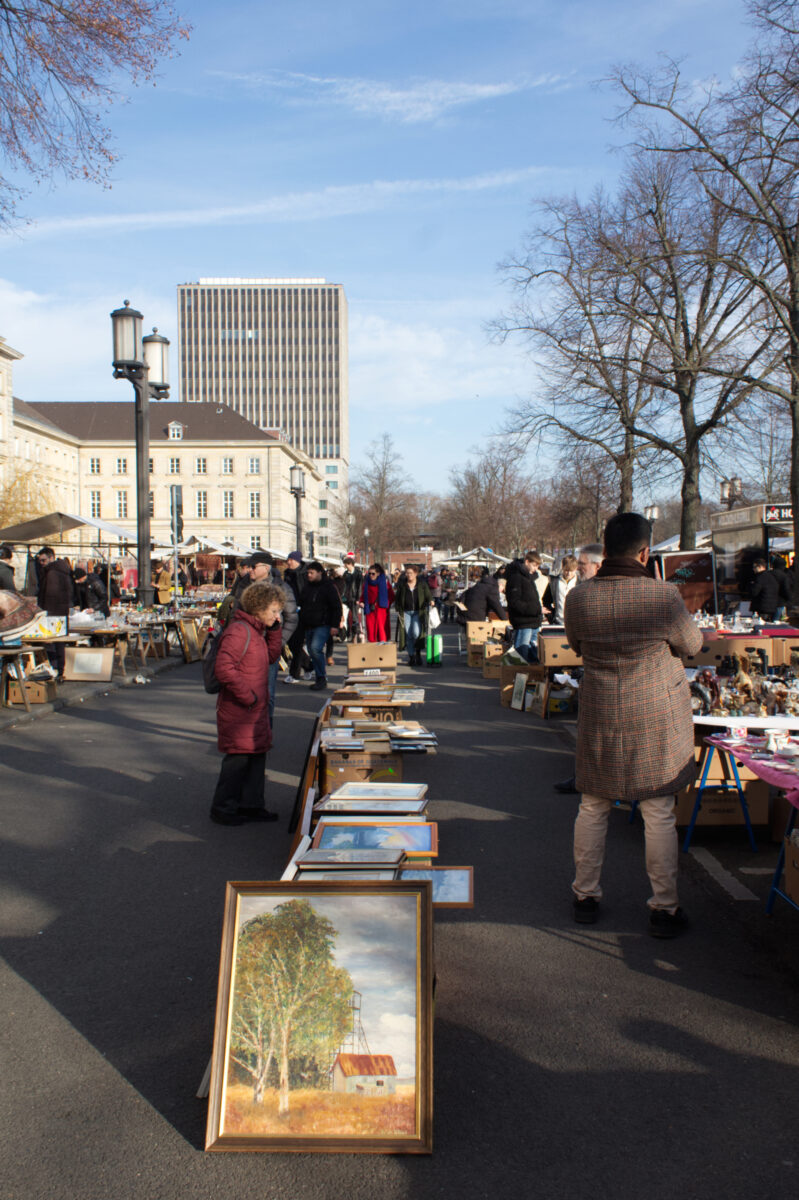
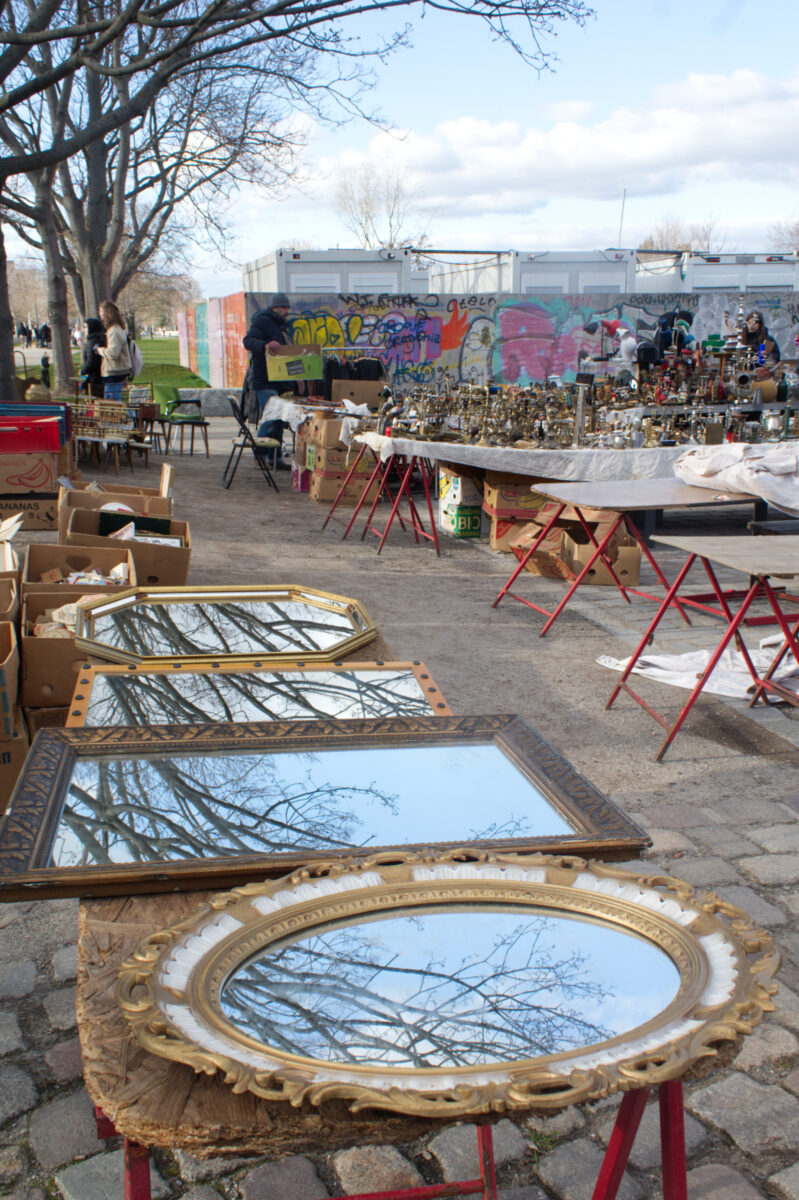
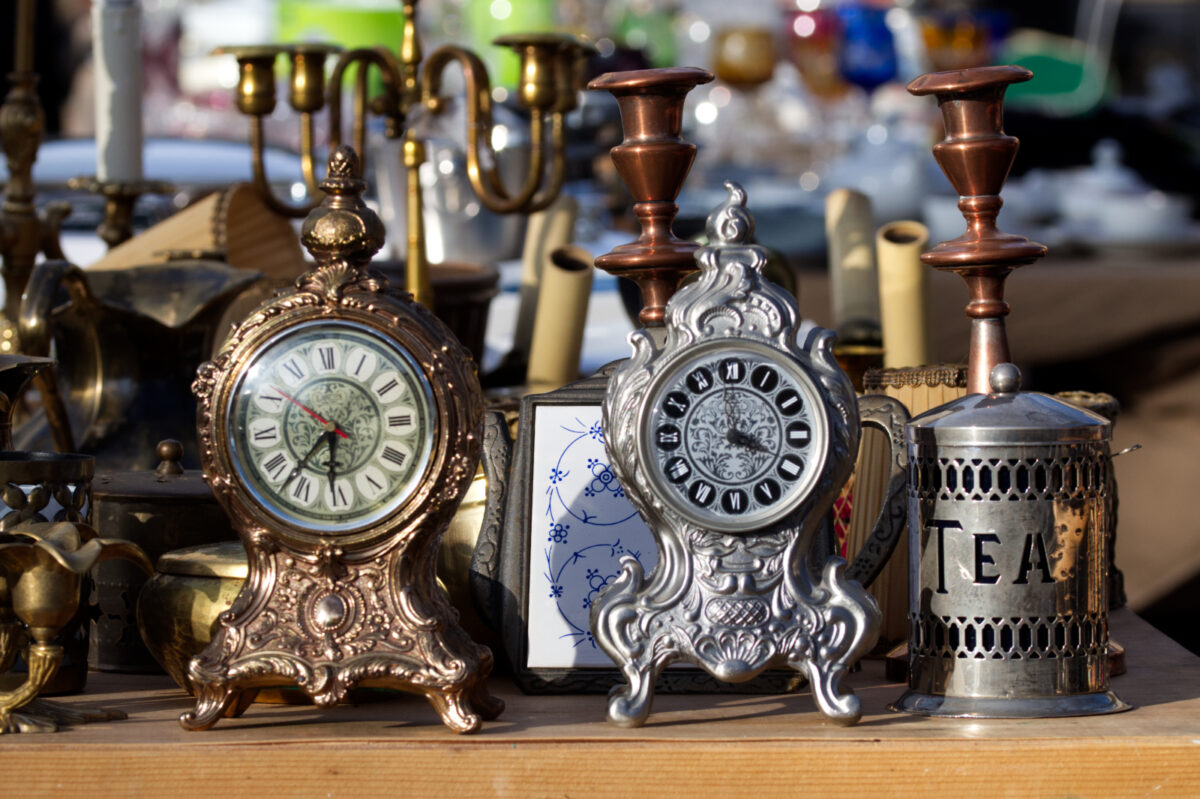
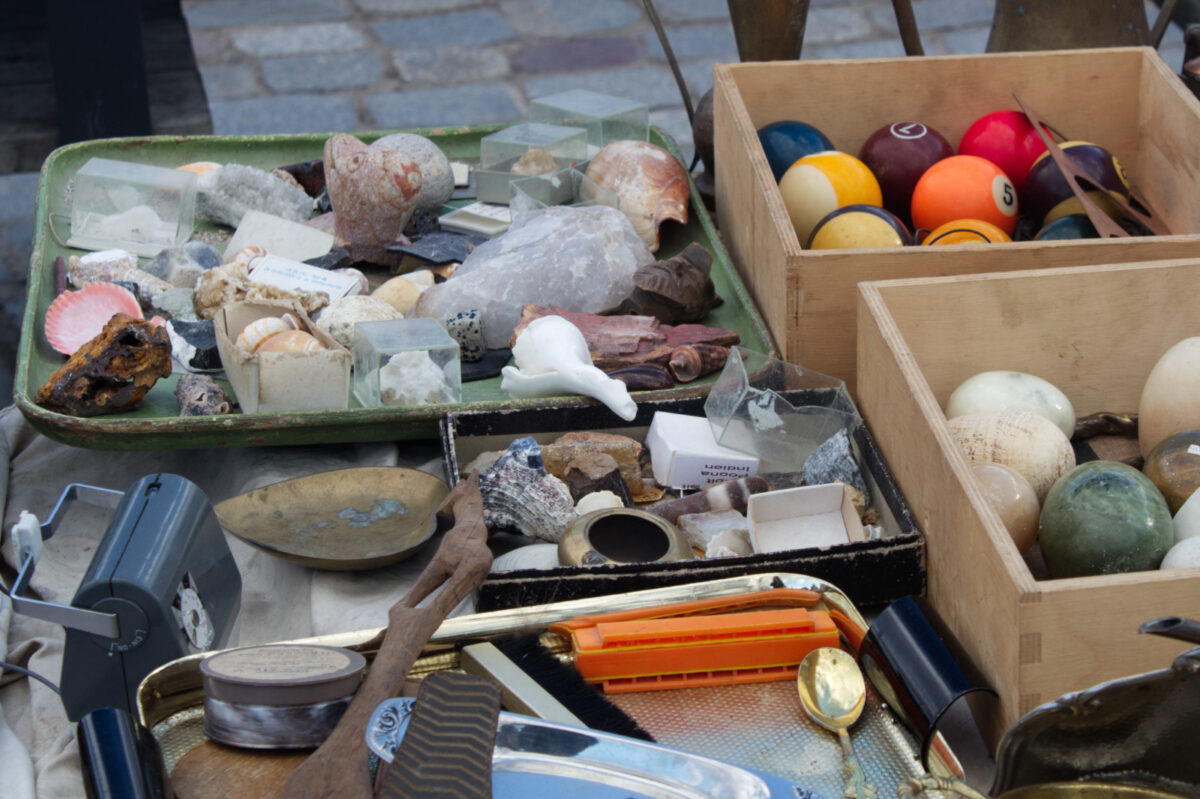
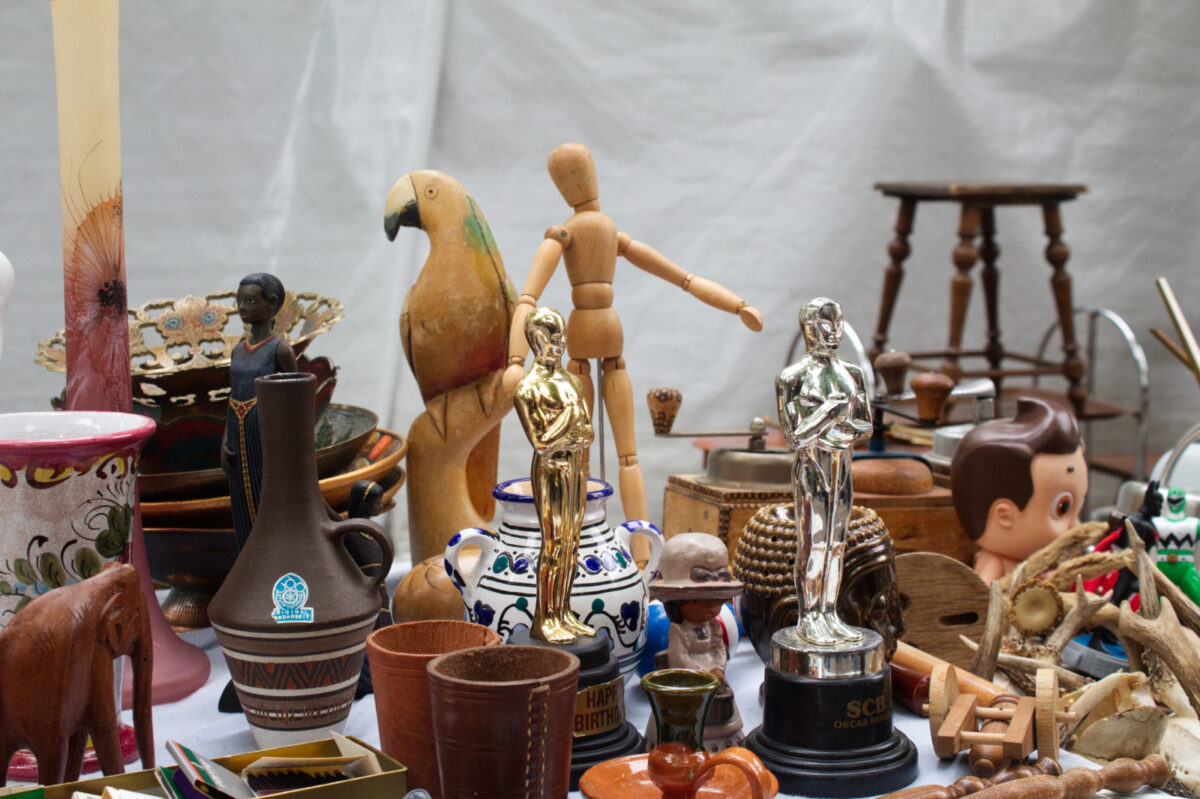
Over the years, I’ve visited flea markets in Germany, Austria, Portugal, and Denmark. They’re like open-air museums with paintings and sculptures that offer free history lessons and a taste of time travel. I keep growing my curious collection of whozits and whatzits. I can’t bring all of them home, but I keep their memory in countless photographs.
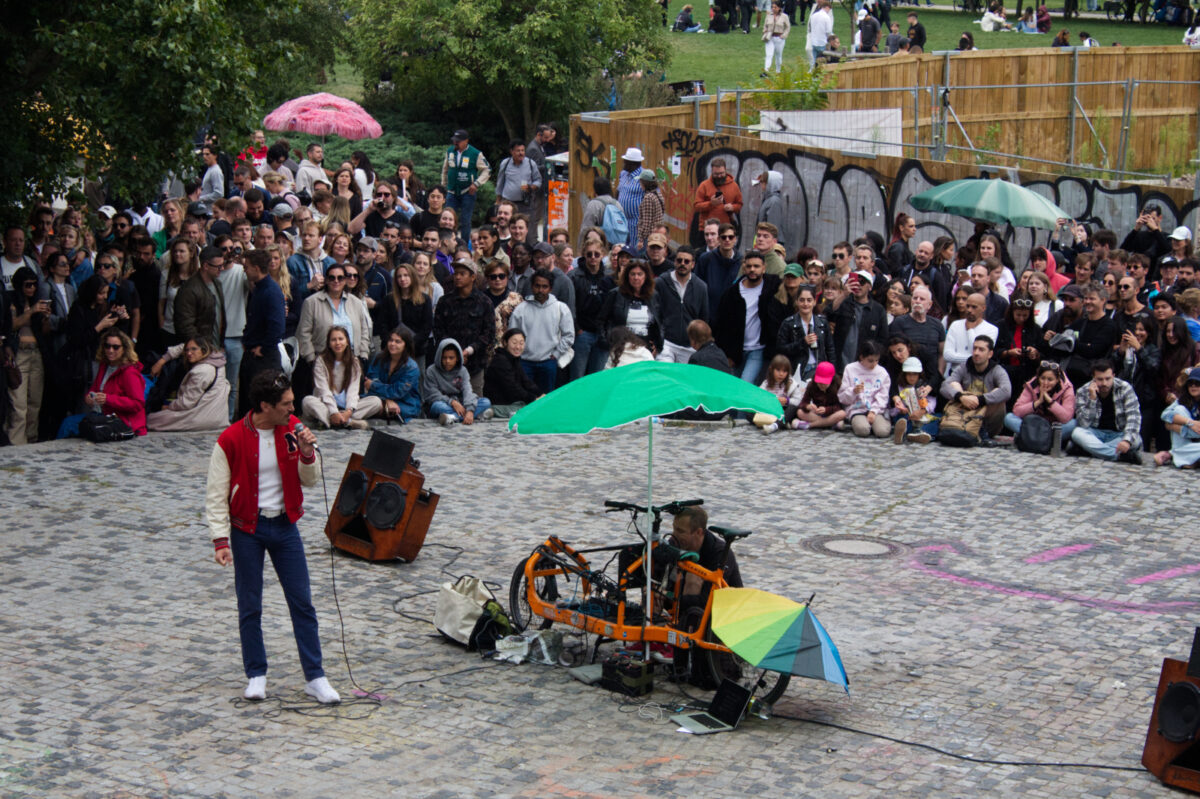
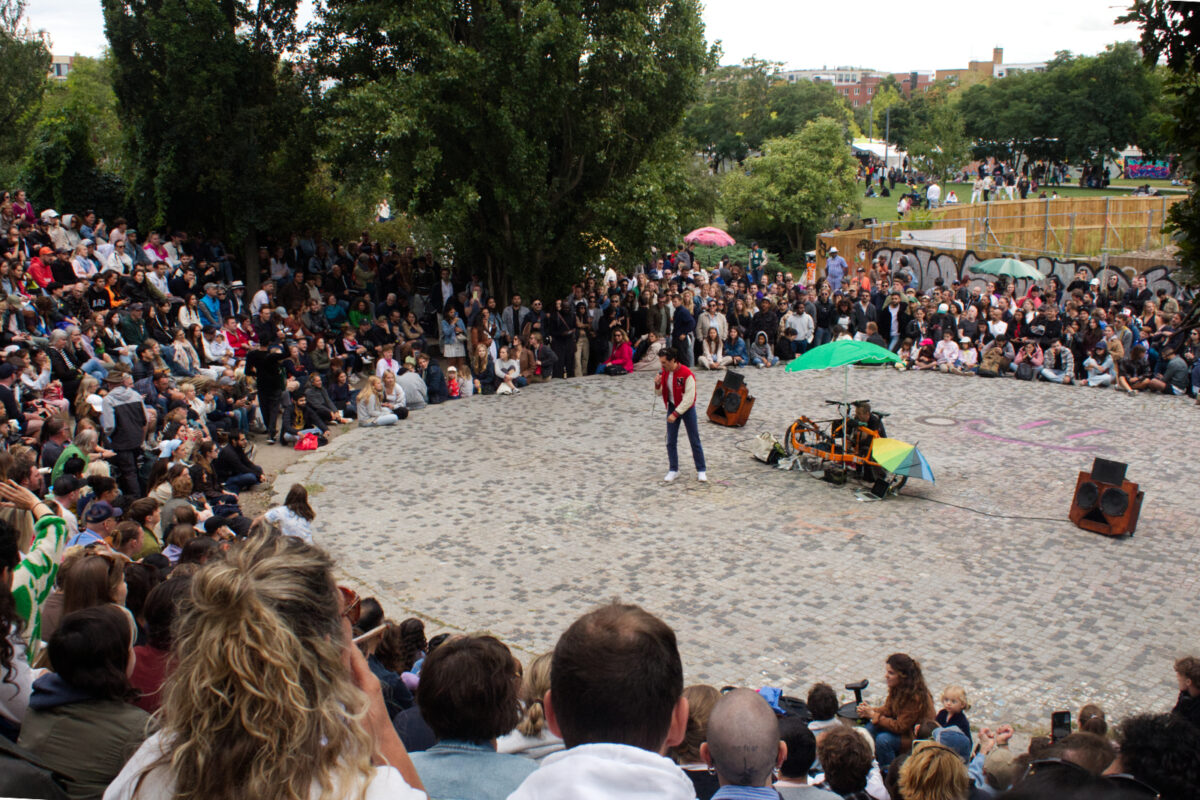
If you ever decide to explore Berlin’s flea markets yourself, here are a few tips that might help:
- Check the weather. Most markets are outdoors, and it can be hard to find shelter during a sudden shower.
- Dress appropriately. In Berlin, you should wear a trench coat or leather jacket and a fisherman’s beanie, and carry an analog camera (it doesn’t even have to work).
- Go early. Even if markets are open until 5 p.m., many sellers start packing up around 1 or 2. On the other hand, prices often drop as the day comes to an end.
- Decide what you are looking for. It’s great to be surprised by unexpected treasures, but to make the most of your time, have a plan and focus on finding something specific.
- Don’t accept overpriced offers. Some sellers take advantage of tourists and ask outrageous prices. Always compare with other vendors and online offers, and negotiate if possible. Private sellers usually charge less than professional traders.
- Always bring cash. Artists and designers often have a card terminal, and sometimes you can pay with PayPal, but in most cases you’ll still need cash.
- Be careful with pickpockets. Markets are usually crowded, busy, and loud. You’ll be paying attention to all the fantastic finds, and it’s easy to get lost in the excitement and become a victim.
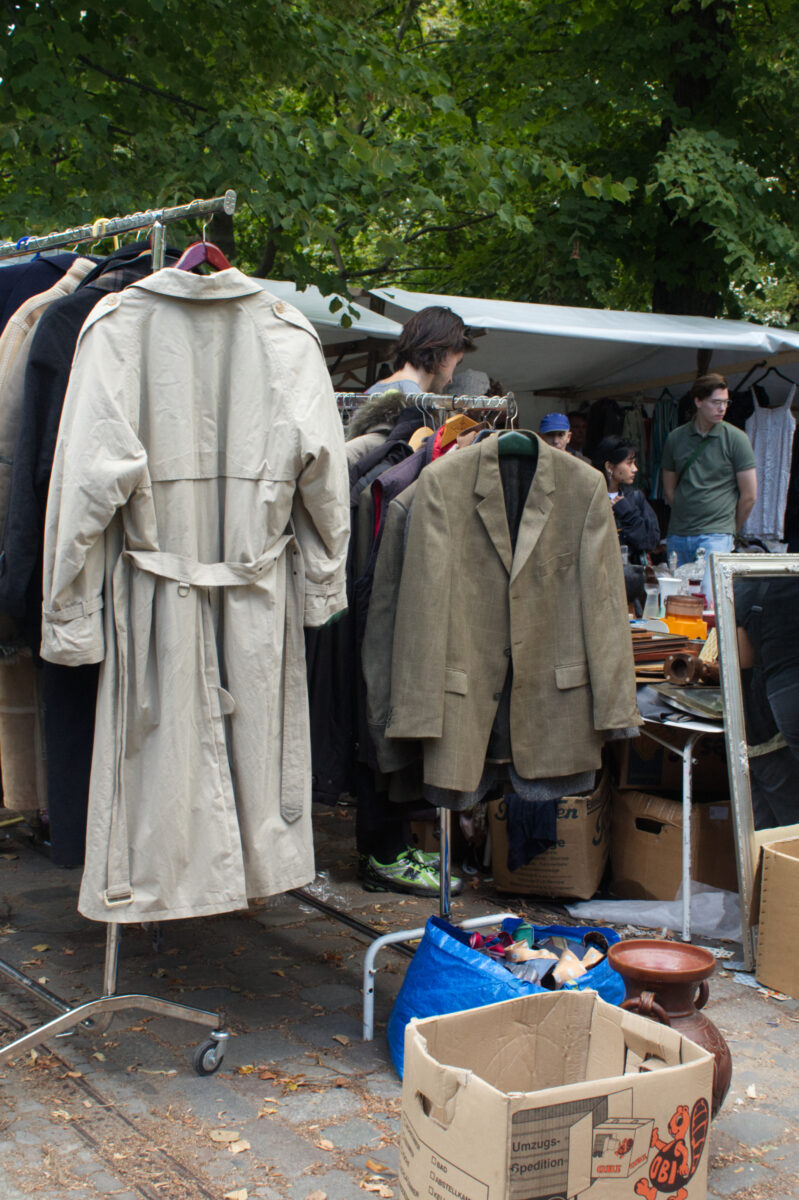
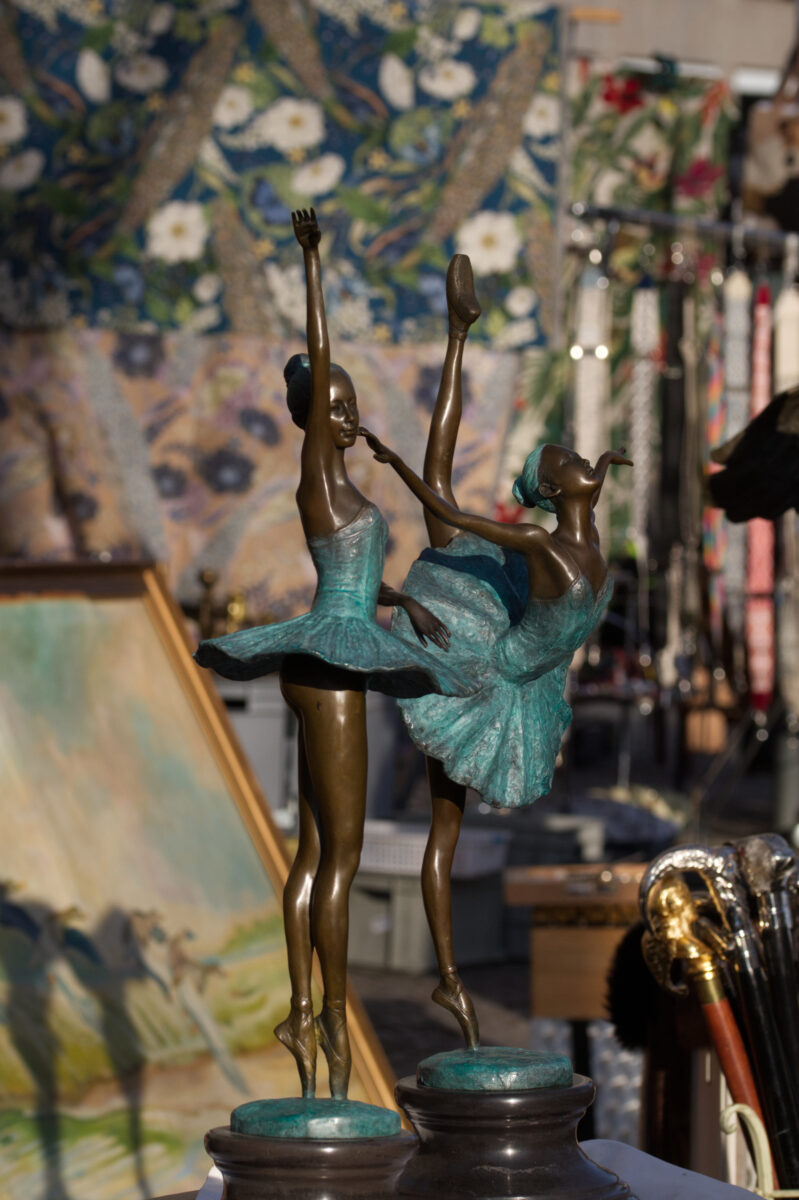
Berlin flea markets featured in this post:
- Mauerpark
- Arkonaplatz
- Hermann-Ehlers-Platz
- Straße des 17. Juni
- Marheinekeplatz
- Museum Island

You May Also Like

Hiking in the Rhine Valley – Stahlberg Schleife

Cherry blossoms and “white gold” in Schwetzingen